Empowering Communities: The Evolution of Microfinance in Latin America

Microfinance has emerged as a beacon of hope in Latin America, where economic disparities persist and traditional banking services are often inaccessible. Microfinance institutions have empowered countless individuals and communities across the region by providing small loans, financial services, and business training to low-income individuals.
Microfinance in Latin America has experienced both highs and lows over the years. Understanding its historical context helps us appreciate the progress made while being honest about the remaining challenges. Let’s delve into the transformative power of microloans, particularly in Guatemala and Nicaragua.
Join us as we explore the journey of microfinance in Latin America, highlighting both the challenges and successes along the way.
The Historical Landscape of Microfinance in Latin America
After years of hands-on experience, we here at Naturally Smart Travel can share the history of microfinance in Latin America, broken down into four key points.
Early Challenges:
In the 1970s, microfinance initiatives faced skepticism and barriers to growth. Traditional banks were reluctant to provide loans to low-income individuals due to perceived risks and the absence of collateral. Informal lending practices, such as rotating savings and credit associations (ROSCAs), were prevalent but limited in scale.
Grameen Model and Success Stories:
The 1980s saw the emergence of the Grameen Bank model, pioneered by Nobel laureate Muhammad Yunus. This approach shifted the focus from collateral-based lending to group-based lending, where borrowers formed small self-help groups to support one another. Success stories began to emerge, showcasing the transformative impact of microfinance on poverty reduction and women's empowerment.
Crisis and Resilience:
In the 1990s, Latin America faced economic and political crises that tested the resilience of microfinance institutions. Financial instability, coupled with increased competition, posed challenges to sustainability and repayment rates. However, microfinance institutions proved to be adaptable, implementing risk management strategies and strengthening their social mission.
Regulation and Formalization:
In the early 2000s, several Latin American countries introduced regulatory frameworks to ensure the stability and transparency of microfinance institutions. These regulations aimed to strike a balance between financial sustainability and social impact, enabling greater access to capital and fostering responsible lending practices.

Success Stories in Guatemala & Nicaragua
Microfinance in Latin America has played a vital role. It’s helped by empowering individuals and communities in Guatemala and Nicaragua. Here are a couple of inspiring success stories.
Guatemala -
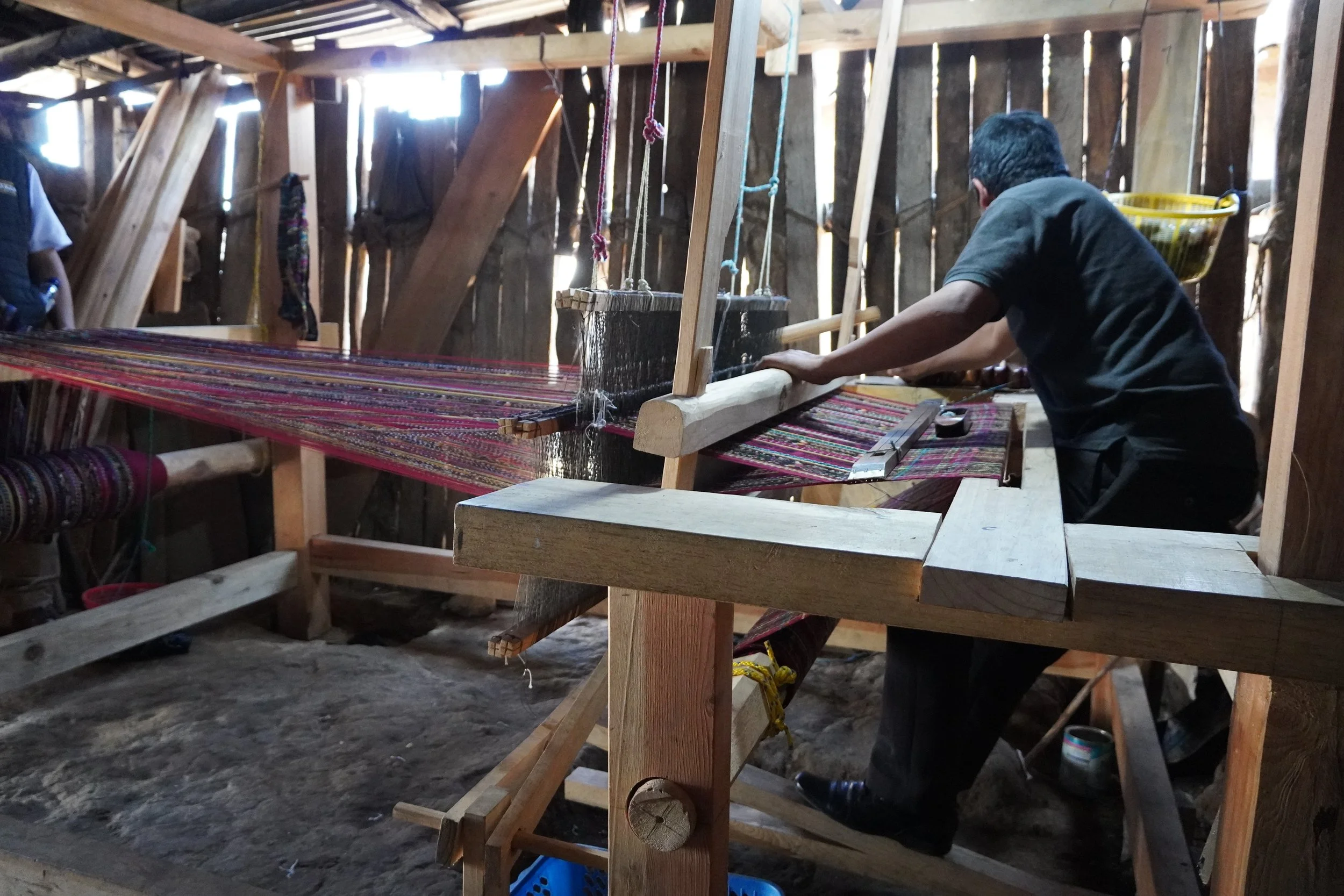
In rural Guatemala, microloans have enabled Indigenous women to start and expand their businesses. This contributed to their economic independence and improved their living standards.
Organizations like Friendship Bridge have provided microloans, education, and healthcare services, which have helped to transform thousands of women's lives. Sources: [1][2]
Nicaragua -
In Nicaragua, microfinance institutions like Pro Mujer have supported women entrepreneurs by providing loans and training programs. Through microloans, women have established small businesses, such as textile workshops and food stalls, contributing to their families' well-being and breaking the cycle of poverty. Sources: [3][4]

The Transformative Power of Microfinance in Latin America
Microfinance in Latin America has brought about numerous positive changes. Here are four examples of the transformative power and opportunities that microfinancing creates.
Poverty Reduction:
Microloans have helped individuals and families escape poverty by providing capital for income-generating activities and fostering self-employment opportunities.
Women's Empowerment:
Microfinance in Latin America has empowered women by offering them access to financial services, promoting entrepreneurship, and challenging gender inequalities.
Social and Economic Inclusion:
Microfinance institutions have reached marginalized populations, including rural communities, indigenous groups, and vulnerable individuals, promoting social and economic inclusion.
Community Development:
Through microfinance initiatives, communities have benefited from increased employment opportunities, improved infrastructure, and enhanced access to education and healthcare.
Read more like this: Understanding the History of NGOs in Guatemala: A Complex Landscape

Thank You for Reading About Microfinance in Latin America
Thank you for taking the time to read and learn about this important issue.
Microfinance in Latin America has come a long way, and it helps to create pathways out of poverty. These programs foster entrepreneurship and empower marginalized communities.
Below, we’ve listed some resources and organizations that are making positive impacts on the individuals and communities of Latin America.
Feel free to contact us at Naturally Smart Travel with any questions or comments. You’re always welcome to join us on a tour or sign up for our newsletter!
IMPORTANT RESOURCES & FURTHER READING
Friendship Bridge (Guatemala): A nonprofit organization empowering women through microfinance, education, and healthcare.
Pro Mujer (Nicaragua): A microfinance institution supporting women's entrepreneurship and development in Latin America.
"Microfinance and Poverty Reduction in Nicaragua: A Quantitative Analysis" by Gabriel Lara Ibarra and Oswaldo Morales-Matamoros.
"Microfinance Institutions in Latin America: Performance and Efficiency Analysis" by Ramón Flores-Romero and Jesús Pastor.
-
Guatemala is generally safe to travel through, especially in the touristy areas like Antigua, Lake Atitlán, and Tikal. Always remain mindful of your belongings and surroundings, as petty theft, like pickpocketing, may occur.
Hiring a local guide can enhance your overall experience, safety, and confidence.
Take standard precautions, such as exercising caution on public transportation and opting for licensed taxis or ridesharing services like Uber. As well as avoiding walking alone at night, keeping valuables secure, and staying informed about local news.
-
In touristy areas, you can get by with English. However, knowing some basic Spanish will enhance your experience. In remote areas, local shops and markets, as well as on public transportation, Spanish is primarily spoken.
Learn a few basic phrases here or hire a translator or bilingual tour guide!
-
The cost of living in Guatemala is fairly cheap, especially when compared to Europe and North America.
-
Yes, Guatemala has many digital nomads! The majority of digital nomads in Guatemala are based in areas with established expat communities like Antigua and Lake Atitlán.
-
A visa is not required in advance for most visitors, including citizens of the United States, Canada, and the European Union. However, it’s essential to check the specific visa requirements for your country before traveling.
Visitors with a valid passport and a departure ticket are generally granted stays of up to 90 days at border control upon arrival, with the possibility of extensions. Please consult with your local Guatemalan embassy for precise guidelines.